
The Pathologist: Virtual Staining and the Next Era of Pathology
How AI enables scalable biomarker analysis that preserves tissue samples, addressing some of the most persistent bottlenecks in clinical care and research
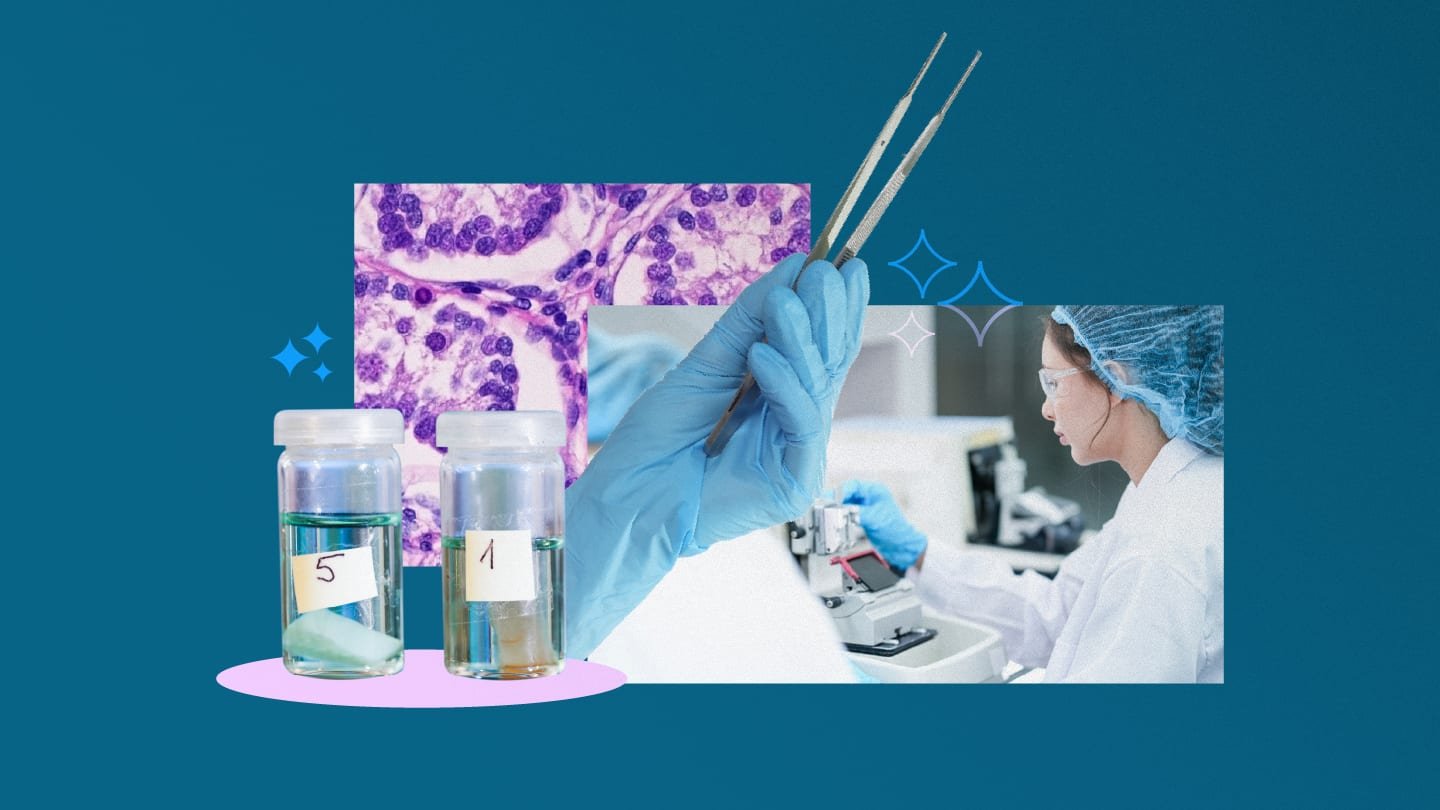
Pathology practice has expanded well beyond morphologic diagnosis alone. Pathologists now guide ancillary testing, interpret predictive and prognostic biomarkers, integrate molecular findings, steward limited tissue, and support increasingly time-sensitive treatment decisions. Unfortunately, the workflows underpinning those responsibilities haven’t evolved at the same pace.
For decades, pathology has operated under a sequential, and often limiting, model. Each new question requires another stain, another section, another step. It’s a system that has delivered rigor and reliability, but one that is increasingly misaligned with the realities of modern medicine — where clinicians, researchers, and drug developers are all requiring more from every sample.
Today, that model is beginning to shift. With advances in computational pathology, the H&E slide — long the foundation of diagnosis — is being reimagined as a far richer source of information. Virtual staining is at the forefront of that shift. It doesn’t replace the expertise of the pathologist or the role of established techniques like immunohistochemistry (IHC). Instead, it introduces a new layer: a digital, computational approach that sits above existing workflows, enabling faster, non-destructive, and more scalable biomarker analysis.
Read ViewsML’s co-founder and CEO Kenneth To’s June 2026 article, “Virtual Staining and the Next Era of Pathology” in The Pathologist here.

Kenneth To
Co-founder and CEO
Source: The Pathologist